
Research the queries
The keyword plan records buyer searches and evidence for the pages that will answer them. Browse keyword planning
Home/Platform/Internal Linking Tool and Service for B2B Sites
An internal linking tool suggests connections between pages; we start with a site plan that identifies the page for each search. Our team adds links in your code as pages go up, connecting readers to the relevant guides, comparisons and service pages through pull requests in your repo.
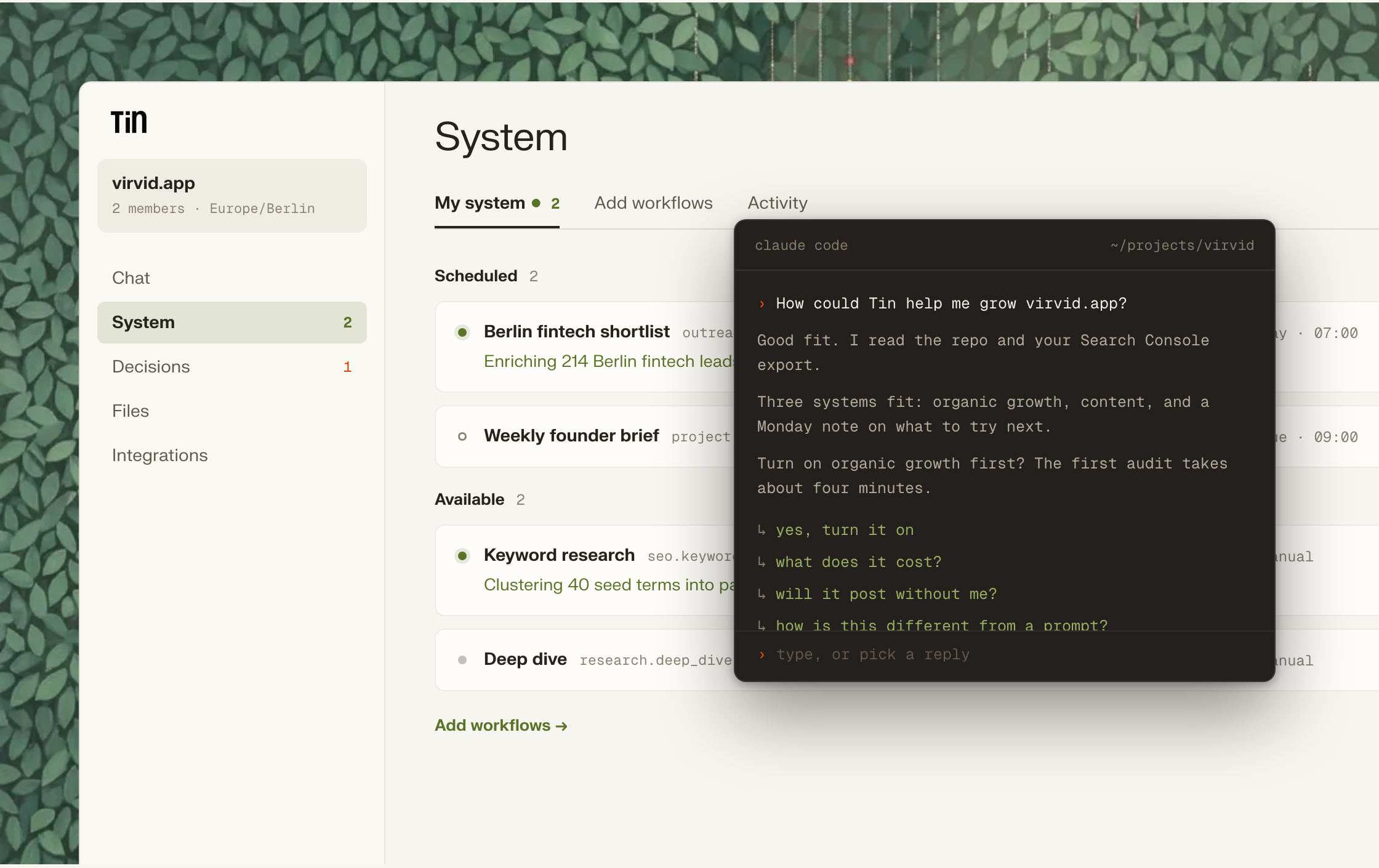
An internal linking tool crawls a website and suggests places where its pages could link to each other. Google uses links to discover pages and judge relevance, and recommends an incoming link for every page you care about. Those links need crawlable HTML: an <a> element with an href. Descriptive, concise anchor text tells readers what to expect at the destination and relates the link to the page they are reading.
A writer can add links by hand when a connection comes to mind. A tool can list suggestions for someone to accept individually. We maintain the site plan, decide which page should answer each search and add links as pages are built. The useful criterion is whether a link reaches the page that owns the question the reader is asking. That decision joins the linking work to the content plan.
A guide is published, but no existing page points to it, leaving buyers without a route from the content they already read.
The site plan tells us which page answers each search and where it belongs among related pages.
We decide where a link should go by reading the keyword and content plans. Our people then write it into the page or template, keeping the plan beside that work.
The keyword plan and content plan identify the searches your pages should answer. We use those files to choose a destination before adding a link. A reader can then follow the link to the page written for that question, while the project keeps the reason for choosing it.
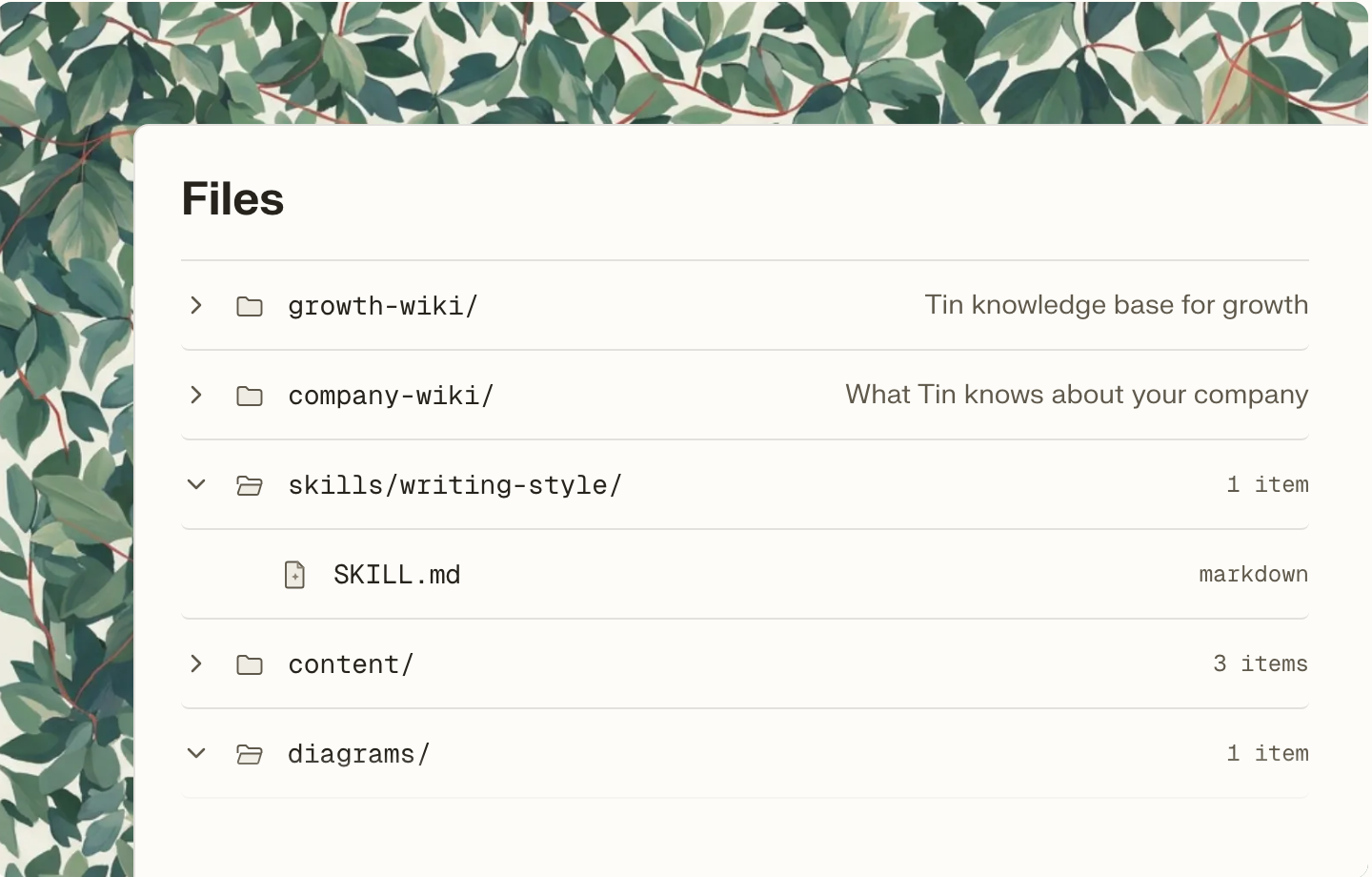
We plan related guides, comparisons and service pages together in the site map. Their links should help a visitor move through the questions that belong to that subject. Planning the family identifies where a new page belongs and which existing pages should link to it.
The public-page audit gives us an initial look at the site. It reads up to 100 pages, saves technical findings with supporting evidence and leaves the pages as they are. Our people consider that record alongside the site map and content plan when preparing the page work and its links.
We add the links to the copy and templates in your repository. The pull request shows the destination and the words a visitor will click in the context of the page containing them. Those edits stay in the git history, so later work can refer to what changed.
You approve what ships. The repository owner receives a pull request with the proposed page changes and chooses when to merge it. New links are part of that review: their destinations and text can be inspected in the same place as the content that surrounds them on the page.
The keyword plan records buyer searches and evidence for the pages that will answer them. Browse keyword planning
The content plan turns that research into the pieces the site should develop next. Browse content planning
Article drafts use the selected topic, company context and the owner's writing voice. Browse article workflows
Page refresh proposes changes to the title, description and answer a searcher encounters first. Browse refresh workflows
Writing style capture supplies a reference that later drafting work can use. Browse style workflows
Technical findings and AI-answer evidence join the public-page audit in the project, and the audit reports orphan pages and thin internal links. Browse visibility workflows
The keyword plan starts the work by identifying the searches to answer. Once the content plan assigns those searches to pages, we can choose link destinations.
Add Tin to Codex, then ask for the site's keyword plan using the company's product and buyer context.
codex mcp add tin --url https://app.tin.computer/mcpThe plan identifies which pages should rank, so the linking work has a destination for each buyer question.
We add links as the new pages go up and review them in the context of the site's copy.
A workflow folder contains the instructions, data inputs and evaluations used to produce its plan.
The system can run on your team's machine using its own keys and data.
Tin provides a command for making the team's existing skills available as workflows.
The code for the planning jobs is open source under the Apache 2.0 licence.
Let's discuss the buyer questions your pages answer and where their links should lead. We set Tin up around your repo and data and handle the site plan and page changes.
Google specifies no ideal link count. We choose links by the questions the page raises and the destinations in the site plan. A link should help the reader reach a relevant answer; the number follows from those connections and the page family it belongs to.
The text should describe the destination concisely and make sense in the paragraph containing it. We use the search question the target page owns to guide that wording. A reader should be able to tell what answer they will reach before following the link.
A sitemap supplies a list of URLs to search engines. A link also takes a person reading one page to an answer on another. Google says it can usually discover most of a properly linked site, so we consider those paths through the pages as well as the sitemap.
Yes. When we refresh a page or add a new member of its page family, we also work on the links from existing pages. Our people use the site plan to choose the destination and add it to the copy or template. That work goes into your repository with the page changes.
Speak with the founders and engineers who would plan and add your links. We can discuss which pages should answer your buyers' searches, the families those pages belong to and how visitors would move between them.