
Prepare marketplace listings
Tin checks the marketplaces behind integrations in the code and fills forms for suitable listings. See marketplace research
Home/SEO/Automated Link Building Tools That Draft Each Ask
Tin handles the research behind automated link building tools, finding pages that name your product and drafting a link request for each. A person handles the sending, and our team can run the work as part of your SEO experiments.
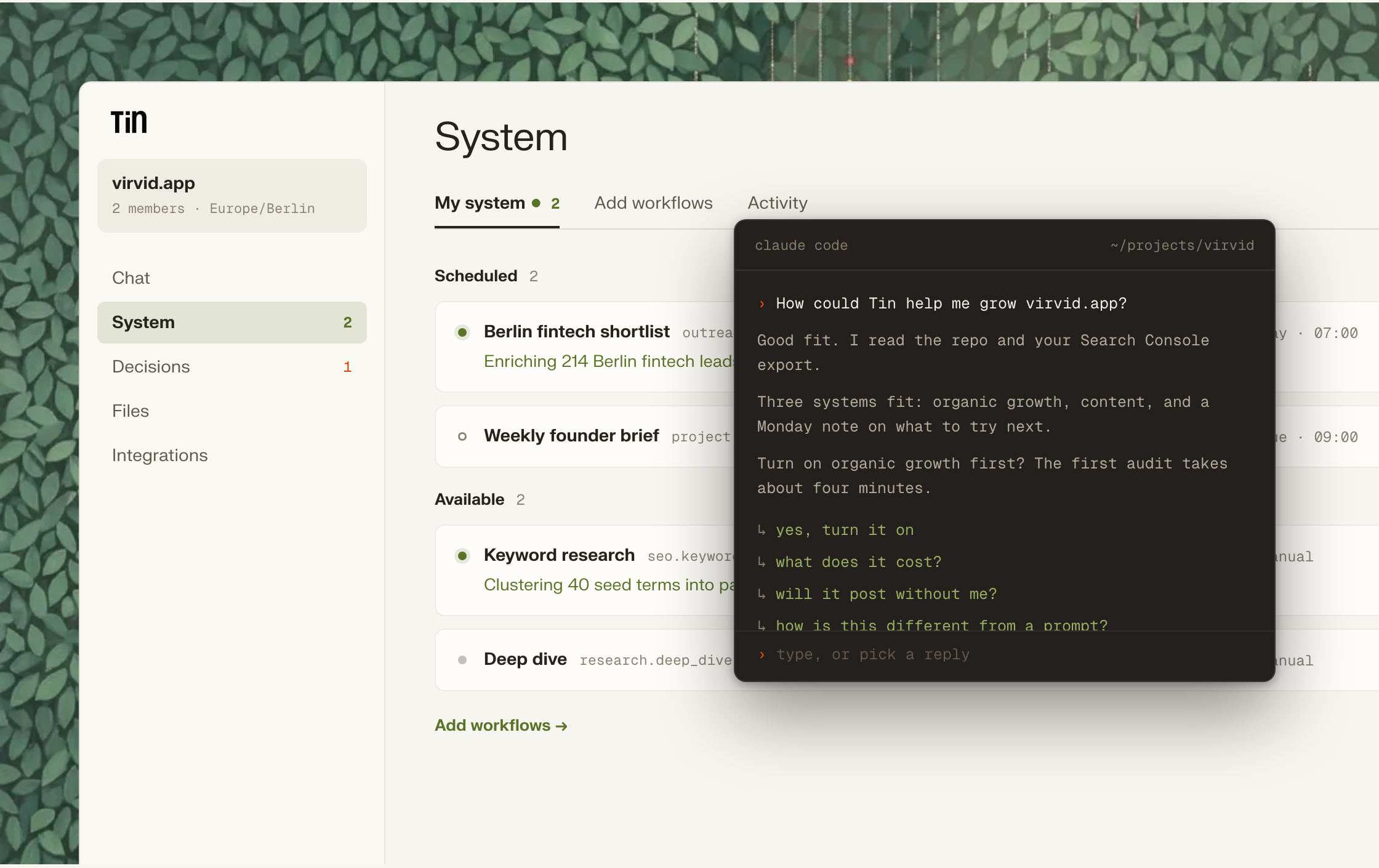
Automated link building tools help a company find link prospects, draft or send requests, and follow the replies. A prospect can be a page that already mentions the product or a list covering its category. Both give the request a reason: the product belongs in what the page discusses. Links on those third-party pages can also support the information search results and AI answers use about the company.
A backlink database supplies a list for someone to work through by hand. Outreach software can send email sequences to the chosen prospects. Tin investigates pages that mention the product and lists whose rules it meets, then prepares an individual request or entry. A person sends the emails. The useful question across all these kinds of software is whether each request goes to a site with a reason to link.
Loading a prospect list into an email sequence starts the sending before anyone has read each page. Existing mentions and written list rules can go unnoticed.
Tin investigates the mention or list first, then writes a request grounded in what it found.
Tin looks for new mentions each week and reads each page before drafting its request. Earlier asks stay in a ledger that the next run consults.
The search uses the name and domain saved in Tin, plus aliases you add. An old product name or a common misspelling can lead to a mention that would otherwise be missed. Each weekly run checks new pages, including sources cited in AI answers, for a missing link.
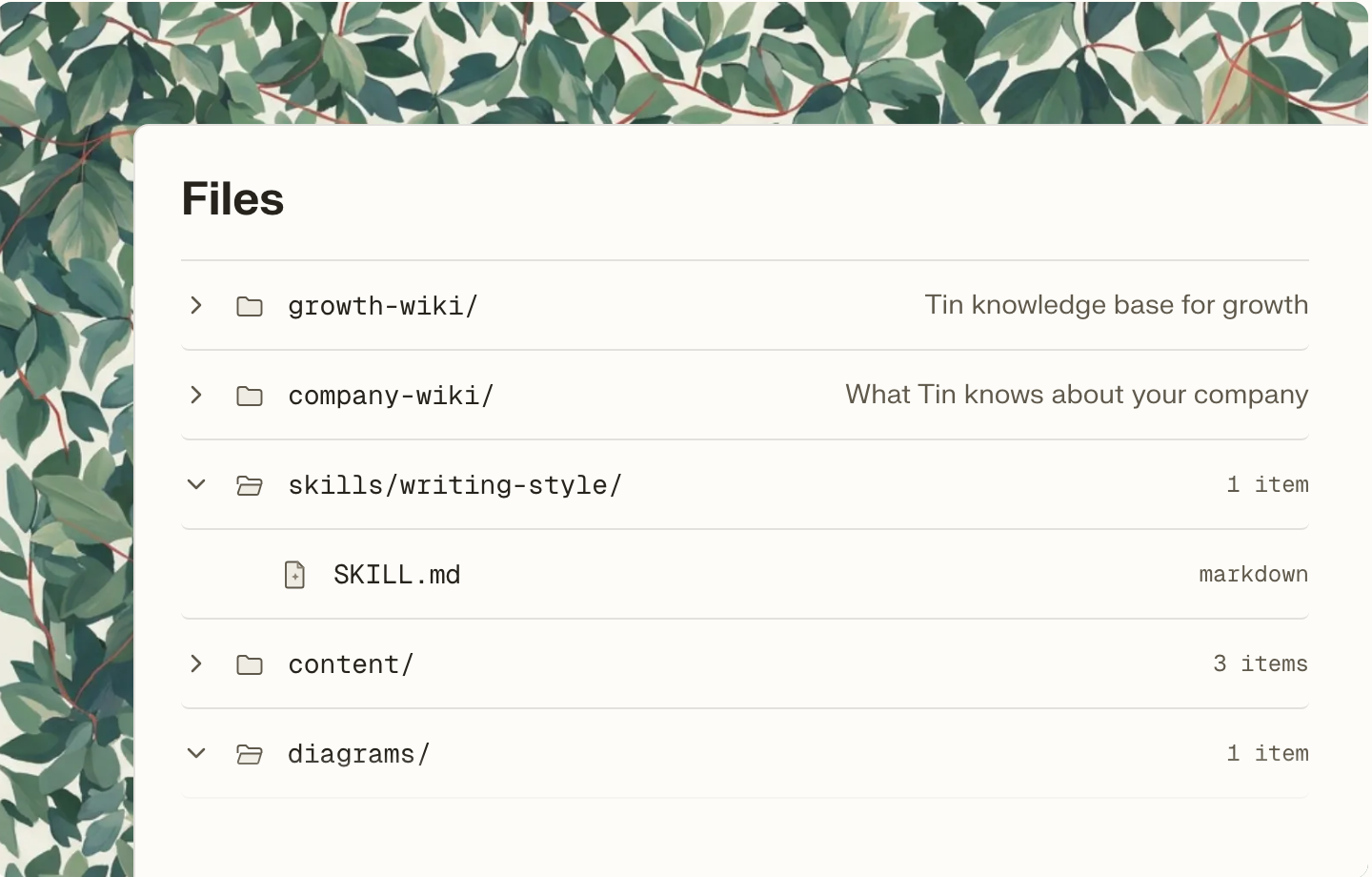
Tin reads the new mention and writes a short request in the owner's voice. The ask refers to the product already named on that page. Before sending it, a person can inspect the mention and decide whether the proposed link would help someone reading that passage.
Once Tin has drafted an ask for a page, it records the ask in the ledger. Later runs read that history before preparing more requests. The weekly report therefore covers new mentions, while the saved files let your team look back at the pages and wording already considered.
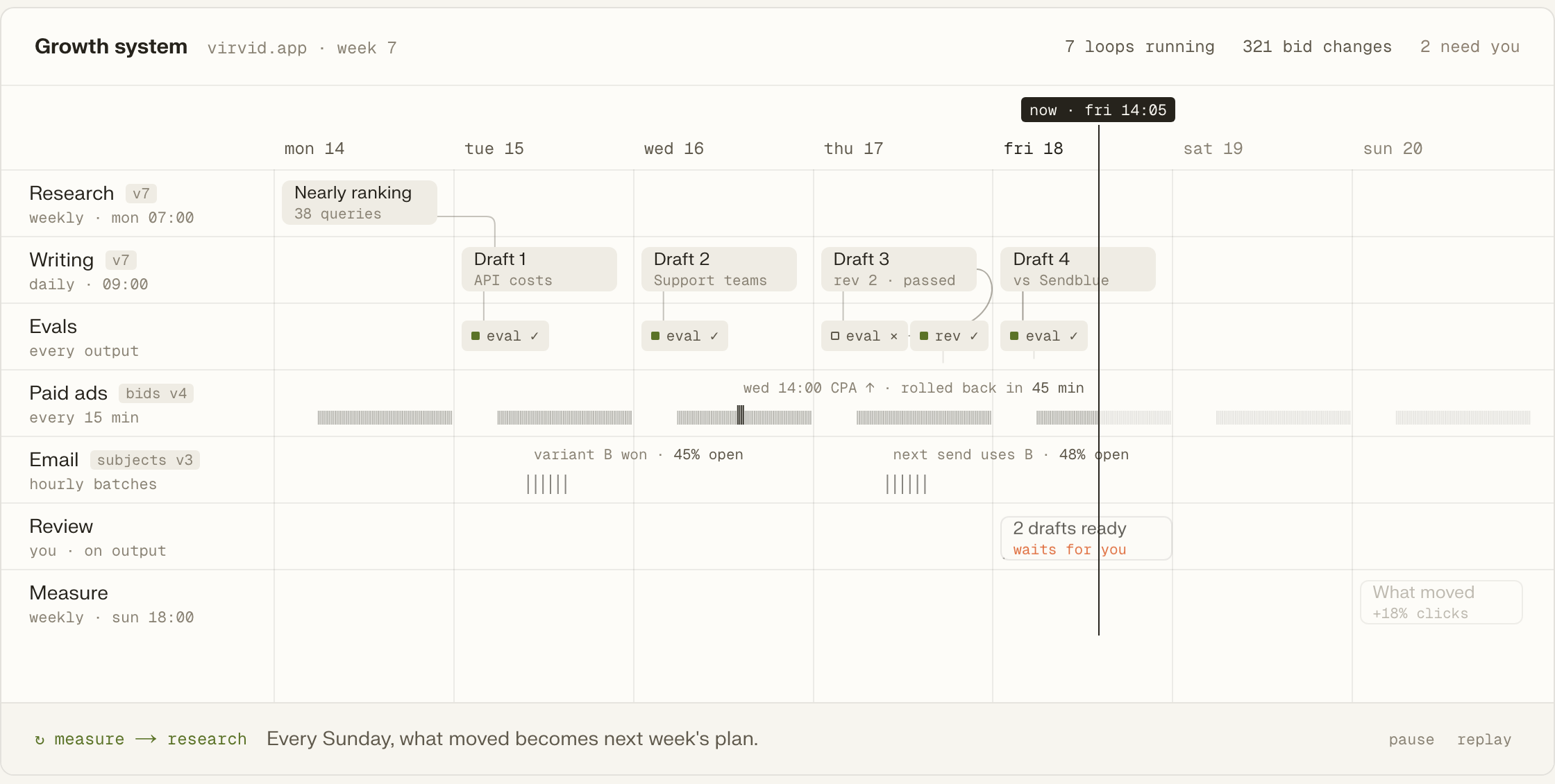
Every GitHub list has its own contributing rules. Tin reads them while researching lists in the product's category, keeps reasons for exclusions and identifies a change that could qualify the product for more lists. The report ranks the qualifying ones and supplies their entry lines and pull request text.
The submission workflow puts each entry in the list's current file and shows the exact changes for approval. It then forks approved lists and opens pull requests or issues from your GitHub account, at most five lists per run. Receipts prevent a later run from submitting to the same list again.
Tin checks the marketplaces behind integrations in the code and fills forms for suitable listings. See marketplace research
Tin researches newsletters and communities buyers read, using their written rules to prepare submissions. See placement research
Awesome-list research orders the lists whose contributing rules the product currently meets. See list research
The organic audit supplies findings about the site and the pages links would support. See organic audits
Keyword planning identifies the searches that give destination pages a purpose in the SEO work. See search planning
Page refresh rewrites selected lines on pages seen in search but rarely clicked. See page refreshes
The mention search starts with the product's public name. Add its former names and common misspellings so the weekly run can look for those references too.
Add the hosted server with this command, then follow the project's mention reports in your agent or the browser.
codex mcp add tin --url https://app.tin.computer/mcpTin uses the product name and domain it holds, plus added aliases such as an old name or misspelling.
Each run searches for new mentions and reads the ledger, keeping earlier requests out of the new draft list.
The unlinked-mention workflow is text in the repo, open to read.
Find mentions and send asks using your own keys and schedule.
Change the ask in the workflow file and send it back as a pull request.
Open source, Apache 2.0.
We can run the link work for your company, from setting up Tin on the repo and data to reading drafts and corresponding with site owners. We also plan the destination pages, so the requests support the searches you want to reach.
Email sending stays with a person. The unlinked-mentions workflow produces the researched requests for the owner to send. When our team runs your SEO work, our people can take on that correspondence and follow-up, using the draft and the page it refers to when deciding what to send.
Those sources help inform the answers people read about your category. A relevant link there can support search and AI visibility as well as give readers a route to your site. Tin looks for sources that already name your product, so the proposed request starts from an existing mention.
Tin withholds the email drafts when the project plan has a firm rule against cold email. The run reads that instruction along with the product's other context. You can still explore list and marketplace research, where written submission rules explain how a product can qualify for inclusion.
Directory submission is a planned platform workflow; directory listings are already part of our SEO service. For product workflows available today, marketplace research fills listing forms for someone to submit. Awesome lists have their own research and submission jobs, with selected entries sent as pull requests or issues from your GitHub account.
Discuss your product's mentions with the founders and engineers who set up Tin and run the work. We can look at the names it has used, relevant lists and the listings worth researching as part of SEO.